Available courses

The Information Security Management program equips professionals with the knowledge and skills to establish, implement, and maintain effective information security management systems. Learn to manage risk, protect organizational data, and ensure compliance with industry standards like ISO 27001 and GDPR.

The Microsoft Data Protection Engineer program focuses on securing and protecting sensitive data using Microsoft tools and technologies. Participants will learn to implement data protection strategies, including encryption, backup solutions, and compliance with regulatory standards across cloud and on-premises environments.

The Microsoft Cybersecurity Architecture program focuses on building secure, resilient infrastructures using Microsoft security technologies. Participants will learn how to design, implement, and manage cybersecurity solutions across hybrid and cloud environments using tools like Azure Security Center, Sentinel, and Microsoft Defender.

Learning Spark's GraphX provides an in-depth exploration of Apache Spark's graph processing library. This program teaches how to manipulate and analyze graph data at scale, leveraging GraphX’s powerful algorithms for graph-based analysis and machine learning applications.


Program Overview:

The Learning Spark's GraphX program focuses on Apache Spark's powerful graph processing component, GraphX, which is designed to process large-scale graph data efficiently. GraphX is an essential tool for analyzing relationships between entities, making it particularly useful for applications like social network analysis, recommendation systems, fraud detection, and more. This program provides learners with a deep understanding of graph theory concepts, the inner workings of GraphX, and how to utilize it for real-world data analysis. The curriculum includes topics such as creating and manipulating graphs, performing graph-based transformations, and using GraphX’s built-in algorithms like PageRank, Connected Components, and Triangle Counting. Through hands-on exercises, participants will learn how to build scalable graph processing workflows and integrate them with Spark’s other data processing capabilities. By the end of the program, learners will be able to work with large graph datasets and implement advanced graph algorithms to gain insights from complex relationships in data.


Program Structure:

The Learning Spark's GraphX program is structured into several modules, beginning with an introduction to graph theory and its applications in data analysis. The first module covers the foundational concepts of graphs, vertices, and edges, as well as key graph processing terminology. The next modules focus on Spark’s architecture and the integration of GraphX with the broader Spark ecosystem. Learners will explore how to create, store, and manipulate graph data using GraphX’s RDD (Resilient Distributed Datasets) and DataFrame APIs.

Key topics include:

  • Graph Creation and Manipulation: Learn how to build graphs from structured and unstructured data and perform common graph transformations.
  • Graph Algorithms: Deep dive into popular algorithms such as PageRank, connected components, and graph traversal techniques.
  • Graph Analytics: Learn to analyze graph data for insights, such as community detection, anomaly detection, and pathfinding.
  • Optimization Techniques: Understand performance optimization strategies when working with large-scale graphs.

The program concludes with a hands-on project where learners can apply GraphX to solve real-world problems.


Skills that You Master:

By completing the Learning Spark's GraphX program, you will master the following skills:

  • Graph Theory Fundamentals: Understand basic concepts of graph theory, including vertices, edges, directed/undirected graphs, and graph traversals, and how these concepts are applied in data science.
  • GraphX APIs: Gain proficiency in working with GraphX’s RDDs and DataFrames, learning how to create, manipulate, and store graph data at scale.
  • Graph Algorithms: Master key graph algorithms, including:
    • PageRank for ranking vertices in a graph.
    • Connected Components for identifying clusters in graphs.
    • Triangle Counting for detecting potential relationships in data.
    • Shortest Path and Breadth-First Search for pathfinding and graph traversal.
  • Big Data Processing: Learn how to scale graph operations on distributed data using Apache Spark, enabling efficient graph processing across clusters.
  • Graph-Based Machine Learning: Apply machine learning techniques to graph data, building recommendation systems, social network analysis models, and fraud detection tools.

These skills will empower you to apply graph-based analysis to complex data structures and solve large-scale problems in industries like social media, finance, and telecommunications.


Who Should Enroll:

The Learning Spark's GraphX program is ideal for data engineers, data scientists, and software developers with a background in programming and big data processing. It’s suited for professionals working with graph-based data or those looking to integrate graph analytics into their existing Spark workflows. Prior experience with Spark and basic knowledge of graph theory is recommended.

The "Machine Learning with Python" program offers a hands-on approach to learning machine learning concepts using Python. Participants will master key algorithms, data preprocessing, model evaluation, and deployment techniques with popular libraries such as Scikit-learn, TensorFlow, and Keras.


Program Overview:

The Machine Learning with Python program is designed for individuals looking to build a solid foundation in machine learning (ML) and apply it using Python, one of the most widely used programming languages in the data science field. This program covers the essentials of ML, from data preprocessing to advanced algorithm implementation. Participants will explore supervised and unsupervised learning algorithms, including linear regression, decision trees, k-means clustering, and support vector machines. You'll also learn how to implement deep learning models using TensorFlow and Keras. Throughout the program, you'll get hands-on experience in building, training, and evaluating machine learning models, along with techniques for handling real-world data such as feature scaling, data imputation, and data augmentation. Additionally, the program will teach how to fine-tune models, assess their performance, and deploy them in production. By the end of the course, learners will be able to solve complex ML problems in domains like finance, healthcare, and marketing.


Program Structure:

The Machine Learning with Python program is structured to offer both theoretical knowledge and practical experience in building machine learning models. The course begins with an introduction to Python for Data Science, covering libraries like NumPy, Pandas, and Matplotlib for data manipulation and visualization. The next module focuses on Data Preprocessing, where learners will gain hands-on skills in preparing datasets for machine learning, handling missing data, feature scaling, and encoding categorical variables. The following modules cover Supervised Learning (including regression and classification algorithms like decision trees, random forests, and support vector machines), as well as Unsupervised Learning (like k-means clustering and hierarchical clustering). Later, learners will dive into Deep Learning, learning how to create neural networks with TensorFlow and Keras. Finally, the program explores Model Evaluation and Tuning, teaching techniques such as cross-validation, hyperparameter tuning, and model optimization. The course wraps up with a Capstone Project, where participants apply everything they've learned to solve a real-world problem.


Skills that You Master:

By completing the Machine Learning with Python program, you will gain proficiency in a range of essential machine learning and Python-related skills:

  • Data Preprocessing: Learn to clean and preprocess raw data by handling missing values, normalizing data, encoding categorical features, and transforming variables.
  • Supervised Learning: Master algorithms like Linear Regression, Logistic Regression, Decision Trees, Random Forests, and Support Vector Machines (SVMs) for classification and regression tasks.
  • Unsupervised Learning: Understand clustering algorithms such as K-Means, Hierarchical Clustering, and Principal Component Analysis (PCA) for dimensionality reduction and pattern recognition.
  • Deep Learning: Gain hands-on experience building neural networks using TensorFlow and Keras for tasks like image and text classification.
  • Model Evaluation and Tuning: Learn how to evaluate model performance using metrics like accuracy, precision, recall, F1 score, and AUC. Master techniques such as cross-validation, hyperparameter tuning, and grid search to optimize model performance.
  • Deployment: Understand how to deploy machine learning models into production using tools like Flask, Docker, and cloud services.

These skills will enable you to build, evaluate, and deploy machine learning models to solve real-world business problems.


Who Should Enroll:

The Machine Learning with Python program is ideal for software developers, data analysts, and aspiring data scientists with a strong background in programming and mathematics. It's well-suited for individuals who want to learn how to apply machine learning algorithms in Python to solve real-world problems in areas like finance, marketing, healthcare, and more. Prior experience with Python is recommended.

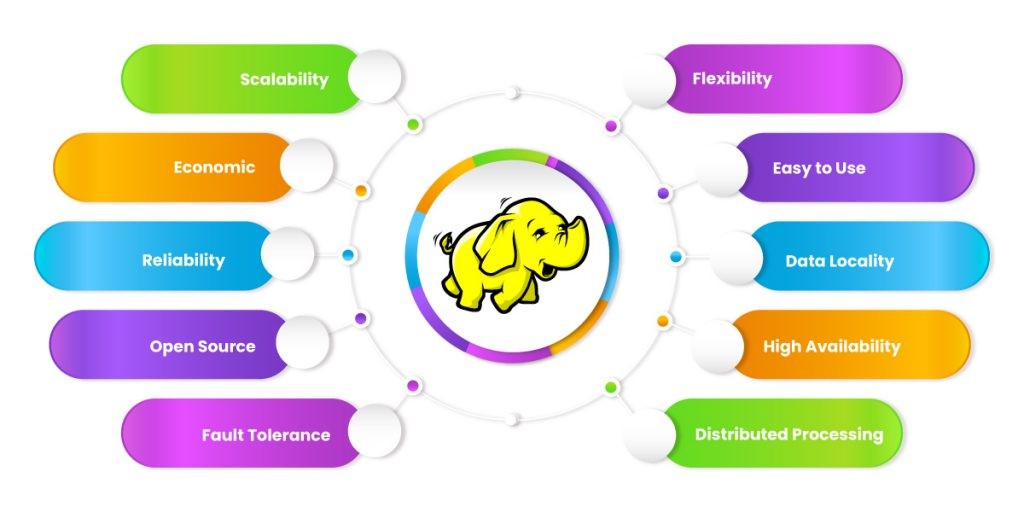
The Hadoop Framework program offers in-depth training on Apache Hadoop, the leading platform for processing and analyzing large-scale data. Learn how to work with Hadoop's distributed storage and computing capabilities, including HDFS, MapReduce, YARN, and related tools.


Program Overview:

The Hadoop Framework program is designed to provide comprehensive knowledge of Apache Hadoop, an open-source software framework that allows the distributed processing of large datasets across clusters of computers. This program covers key components of the Hadoop ecosystem, including the Hadoop Distributed File System (HDFS), MapReduce for batch processing, YARN for resource management, and other essential tools like Hive, Pig, and HBase. Participants will gain hands-on experience with setting up, configuring, and optimizing a Hadoop cluster, as well as running real-world big data analytics workloads. The curriculum is structured to help learners understand both the theoretical and practical aspects of Hadoop, including data storage, parallel computing, and job scheduling. By the end of the program, participants will be able to handle large-scale data processing tasks and integrate Hadoop with other big data tools to build scalable, efficient data solutions.


Program Structure:

The Hadoop Framework program is divided into several modules, each focusing on a core aspect of the Hadoop ecosystem. It starts with an introduction to big data and the challenges of processing and storing large volumes of data. The first module covers Hadoop architecture, including the fundamentals of HDFS (Hadoop Distributed File System) and how data is stored and managed across multiple nodes in a cluster. The next modules dive into MapReduce programming, which allows the distribution of processing tasks across nodes, and YARN (Yet Another Resource Negotiator), responsible for resource management and job scheduling. Further topics include Hive (for data warehousing), Pig (for data flow scripting), HBase (NoSQL database for real-time read/write operations), and Sqoop (for importing/exporting data from relational databases). Throughout the program, learners will complete hands-on exercises and case studies to understand how Hadoop can be used to process and analyze big data efficiently.


Skills that You Master:

Upon completing the Hadoop Framework program, you will master the following skills:

  • Hadoop Distributed File System (HDFS): Learn how to store and manage large datasets across distributed nodes in a scalable and fault-tolerant manner.
  • MapReduce: Understand how to use MapReduce programming for parallel data processing tasks, breaking large problems into smaller, manageable parts for efficient computation.
  • YARN: Master resource management and job scheduling in a Hadoop cluster using YARN, ensuring optimized use of computational resources.
  • Data Processing with Hive & Pig: Gain expertise in querying and processing large datasets using Hive’s SQL-like syntax and Pig’s high-level scripting language.
  • NoSQL with HBase: Learn how to set up and use HBase, a distributed NoSQL database, for handling real-time read/write operations on massive datasets.
  • Integration with Other Big Data Tools: Learn how Hadoop integrates with other tools in the big data ecosystem, including Spark, Flume, and Sqoop, to enhance processing and analysis.
    By the end, you will be proficient in setting up and managing Hadoop clusters and using the ecosystem to handle large-scale data processing tasks.

Who Should Enroll:

This program is ideal for IT professionals, data engineers, software developers, and business analysts looking to enhance their big data skills. It’s suited for individuals with basic programming knowledge who want to dive into big data processing, storage, and analytics using Hadoop. Anyone involved in managing large datasets or working with data infrastructure will benefit from this program.

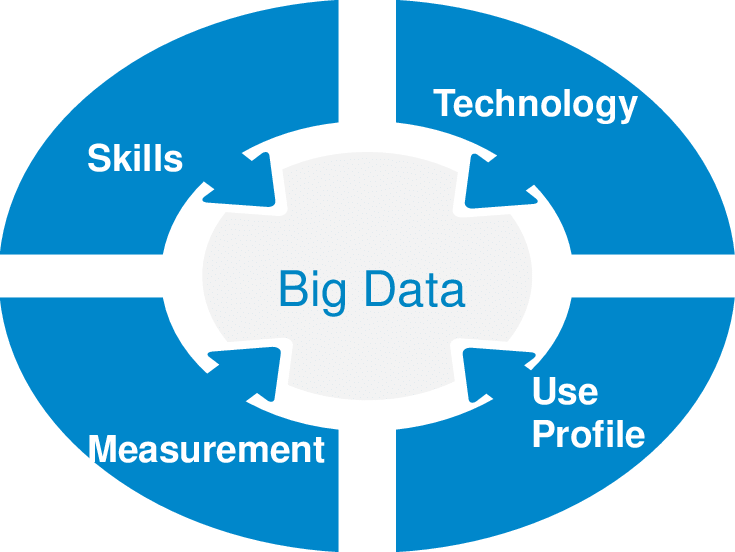
The program on Big Data Fundamentals provides an introduction to the core concepts, technologies, and tools used to process and analyze large-scale data. Participants will learn about distributed computing, big data frameworks, data storage, and data processing with tools like Hadoop and Spark.


Program Overview:

The Big Data Fundamentals program offers a comprehensive introduction to the principles and tools used to manage and analyze large-scale datasets, which are crucial in today’s data-driven world. Participants will explore the characteristics of big data, including volume, velocity, variety, and veracity, and how they impact data processing and analysis. The program covers key concepts in distributed computing and introduces popular big data frameworks such as Apache Hadoop and Apache Spark. Participants will gain practical experience working with the Hadoop Distributed File System (HDFS) for storing large datasets and MapReduce for processing them in parallel across clusters. In addition, learners will be introduced to Spark, a faster alternative to Hadoop for large-scale data processing, and other tools like Hive for querying data, Pig for data flow scripting, and HBase for real-time NoSQL database management. By the end of the program, participants will understand how to handle, store, and process big data efficiently and effectively.


Program Structure :

The Big Data Fundamentals program is structured into multiple modules, each focused on an essential aspect of big data technology. The program starts with an introduction to Big Data concepts, where learners will explore the defining characteristics of big data, its challenges, and opportunities. In the next modules, learners will be introduced to the Hadoop Ecosystem, beginning with the Hadoop Distributed File System (HDFS) and understanding how it enables fault-tolerant, distributed data storage. The program then delves into MapReduce, teaching how to write and execute MapReduce programs to process data in parallel across distributed systems. Next, the focus shifts to Apache Spark, covering its features, programming models, and how it improves on Hadoop for speed and scalability. Additional modules cover Hive for SQL-like queries on large datasets, Pig for high-level data scripting, and HBase for NoSQL databases. Hands-on projects, assignments, and real-world use cases help participants understand how to implement these technologies in practical settings.


Skills that You Master:

Upon completing the Big Data Fundamentals program, you will acquire the following key skills:

  • Big Data Concepts: Understand the core characteristics of big data, including volume, variety, velocity, and veracity, and how they impact data processing strategies.
  • Hadoop Ecosystem: Learn to work with HDFS for distributed storage and understand the architecture behind MapReduce, enabling you to process large datasets across multiple nodes in parallel.
  • Apache Spark: Gain hands-on experience with Spark, learning how it differs from Hadoop and why it's faster and more efficient for data processing.
  • Hive: Learn to query large datasets using Hive, a data warehouse infrastructure built on top of Hadoop that enables SQL-like queries on big data.
  • Pig: Master Pig, a high-level platform for creating MapReduce programs with simpler scripting, making data processing easier and faster.
  • HBase: Understand how to use HBase, a distributed NoSQL database for real-time data storage and retrieval in big data environments.

These skills will allow you to handle, process, and analyze large datasets in a distributed computing environment, preparing you for roles in big data analytics and engineering.


Who Should Enroll:

The Big Data Fundamentals program is ideal for aspiring data engineers, analysts, and IT professionals who want to understand the core principles and technologies of big data. It's suitable for individuals with a basic knowledge of programming and data analysis who are looking to expand their skillset into big data processing and storage frameworks like Hadoop and Spark.

The "AI and Development with Python" program focuses on using Python to build AI solutions. Participants will learn how to develop machine learning, deep learning, and data analysis models with Python libraries like TensorFlow, Keras, and Scikit-learn.


Program Overview:

The "AI and Development with Python" program provides a comprehensive introduction to AI development using Python, one of the most popular programming languages for AI and machine learning applications. Python's versatility and rich ecosystem of libraries make it the ideal language for developing robust AI systems. This program covers a range of topics, including data processing, machine learning algorithms, deep learning, natural language processing (NLP), and computer vision, all using Python libraries such as NumPy, Pandas, Scikit-learn, TensorFlow, and Keras. Through practical coding exercises and real-world projects, participants will learn how to implement AI models and refine them for accuracy and performance. Additionally, the program emphasizes best practices for clean, efficient coding and model deployment, providing a solid foundation for building scalable AI solutions. By the end, participants will have the skills to integrate AI capabilities into applications across industries like finance, healthcare, and entertainment.


Program Structure:

The "AI and Development with Python" program is structured to be both engaging and flexible. Delivered through online video tutorials, readings, coding assignments, and hands-on projects, learners can progress at their own pace. Each module builds on the previous one, ensuring that participants grasp fundamental concepts before moving into more advanced topics. The curriculum includes interactive coding exercises, allowing students to apply what they've learned in real-time. Key Python libraries such as NumPy, Pandas, and Scikit-learn are introduced early in the program for data manipulation, followed by deep dives into TensorFlow and Keras for building deep learning models. Participants will also engage in real-world projects, working with datasets to create practical AI solutions. Weekly discussions, peer reviews, and instructor feedback foster a collaborative learning environment. The final project requires students to develop a complete AI application, demonstrating their knowledge and problem-solving abilities. Upon completion, students receive a certification of proficiency.


Skills You Will Master:

The "AI and Development with Python" program equips you with essential skills to design, develop, and deploy AI-driven applications. Key skills include:

  • Python Programming: Master Python syntax and libraries like NumPy, Pandas, and Matplotlib for data analysis and visualization.
  • Machine Learning: Learn to apply supervised and unsupervised machine learning algorithms using Python libraries such as Scikit-learn, including decision trees, linear regression, and clustering techniques.
  • Deep Learning: Gain hands-on experience in building and training neural networks using TensorFlow and Keras, including CNNs and RNNs for image and sequence data.
  • Natural Language Processing (NLP): Learn how to process and analyze text data, create chatbots, and perform sentiment analysis using libraries like NLTK and SpaCy.
  • Model Evaluation and Optimization: Develop techniques for validating models and improving performance, including hyperparameter tuning and cross-validation.
  • AI Deployment: Learn how to deploy machine learning models into production environments and integrate AI capabilities into web or mobile applications.

By the end of the program, you'll be prepared to leverage Python for real-world AI development projects.


Who Should Enroll:

This program is ideal for software developers, data analysts, and aspiring AI professionals with a foundational understanding of Python. It's also suited for anyone interested in learning how to develop machine learning and AI models, and integrate them into applications across industries like healthcare, finance, and technology.

The Professional Program in Artificial Intelligence Technology provides a deep dive into AI concepts and applications. Participants will master advanced techniques in machine learning, deep learning, computer vision, and NLP, equipping them for leadership roles in AI technology development and implementation.

Program Overview:

The Professional Program in Artificial Intelligence Technology is designed for professionals who want to advance their careers by gaining specialized knowledge in AI technology. This comprehensive program covers cutting-edge AI techniques and tools, preparing participants to develop and deploy AI models that solve complex business problems. The curriculum includes key topics such as machine learning, deep learning, reinforcement learning, natural language processing (NLP), and computer vision, as well as AI ethics and governance. Participants will gain hands-on experience with popular AI frameworks and tools like TensorFlow, Keras, PyTorch, OpenCV, and Hugging Face. Through practical projects and case studies, learners will apply AI techniques to real-world challenges across industries such as healthcare, finance, and automotive. By the end of the program, participants will have the technical expertise to lead AI initiatives and contribute to building AI-driven solutions that drive business transformation and innovation.


Program Structure:

The Professional Program in Artificial Intelligence Technology is structured to balance in-depth theoretical knowledge with practical application. The program is delivered through an online learning platform, combining self-paced video lectures, live sessions, coding assignments, and collaborative projects. Each module is designed to gradually build your understanding of AI technologies, starting with foundational concepts and advancing to complex AI systems. Key learning methods include interactive labs, real-time coding exercises, peer discussions, and mentor-led sessions. Participants will work on industry-relevant projects that simulate real-world scenarios, helping them apply AI models and algorithms to actual business challenges. The program also incorporates assessments and quizzes to ensure participants grasp core concepts. Access to AI frameworks like TensorFlow, PyTorch, and Scikit-learn allows participants to work hands-on with the tools most commonly used in AI development. A capstone project at the end of the program challenges learners to design and implement a complete AI solution, showcasing their acquired skills.


Skills that You Master:

The Professional Program in Artificial Intelligence Technology will equip you with a robust skill set essential for advanced AI development and application. Key skills include:

  • Machine Learning: Gain proficiency in algorithms such as decision trees, random forests, k-nearest neighbors (KNN), and support vector machines (SVM) for solving classification and regression problems.
  • Deep Learning: Learn to design and train deep neural networks using frameworks like TensorFlow and Keras, mastering techniques such as convolutional neural networks (CNNs) for computer vision and recurrent neural networks (RNNs) for sequential data.
  • Natural Language Processing (NLP): Understand text processing, sentiment analysis, and text generation, using tools like Hugging Face and SpaCy for building sophisticated language models.
  • Computer Vision: Develop expertise in object detection, facial recognition, and image classification with OpenCV and deep learning techniques.
  • Reinforcement Learning: Explore algorithms that allow agents to make decisions in complex environments through trial and error.
  • AI Ethics and Governance: Learn best practices for ensuring fairness, transparency, and accountability in AI systems.
  • AI Deployment: Gain skills in deploying AI models in cloud environments, optimizing models for scalability, and integrating them into applications.

By completing the program, you will be equipped to handle the technical demands of AI projects and implement solutions that align with business goals.


Who Should Enroll:

This program is designed for experienced professionals, including software engineers, data scientists, and tech leaders, who wish to specialize in AI technologies. It's ideal for individuals looking to transition into AI roles or enhance their expertise in machine learning, deep learning, and AI system development for practical business applications.

The Integrated Program in AI with Data Science offers a comprehensive curriculum blending AI and data science techniques. Participants will gain expertise in machine learning, deep learning, data analysis, and big data, preparing them for roles in data-driven AI solutions and innovation.


Program Overview:

The Integrated Program in Artificial Intelligence (AI) with Data Science is designed to provide a holistic learning experience for individuals looking to build a career in AI and data science. This program combines the foundational concepts of data science, such as statistical analysis and data processing, with advanced AI techniques like machine learning, deep learning, and natural language processing. Participants will learn how to collect, clean, and analyze data, as well as how to apply machine learning models to solve real-world business challenges. The curriculum covers key topics including data visualization, supervised and unsupervised learning, neural networks, and AI ethics, providing learners with the skills needed to work with large datasets and build predictive models. Using industry-standard tools like Python, R, TensorFlow, and Hadoop, students will gain hands-on experience through projects and case studies. By the end of the program, participants will be equipped to implement AI solutions in data-driven environments across industries.


Program Structure:

The Integrated Program in AI with Data Science is delivered through an online, self-paced format that allows participants to learn at their convenience while gaining hands-on experience. The program is divided into modules that cover both AI and data science, beginning with data fundamentals and progressing to advanced topics like deep learning and big data technologies. Each module includes video lectures, reading materials, quizzes, coding exercises, and project work. Interactive coding labs and assignments ensure participants develop practical skills in data analysis and AI model development. Python, R, and other essential programming languages are used throughout the curriculum, with a focus on libraries such as Pandas, NumPy, TensorFlow, and Scikit-learn. Real-world datasets are provided for hands-on projects, giving learners the opportunity to apply AI and data science techniques to solve problems. Regular assessments, peer discussions, and mentorship sessions provide opportunities for feedback and collaboration. The final project involves creating an AI-driven data solution, which is evaluated for its practical impact.


Skills You Will Master:

The Integrated Program in AI with Data Science equips participants with a broad set of technical and analytical skills, blending the core concepts of AI and data science to tackle complex, data-driven problems. Key skills include:

  • Data Processing & Cleaning: Learn how to gather, pre-process, and clean raw data to make it suitable for analysis and machine learning models.
  • Statistical Analysis: Gain a solid understanding of statistical methods, hypothesis testing, and data exploration to derive insights from datasets.
  • Machine Learning: Master both supervised and unsupervised machine learning techniques, including regression, classification, clustering, and dimensionality reduction.
  • Deep Learning: Build and train neural networks using frameworks like TensorFlow and Keras for applications in computer vision, NLP, and more.
  • Big Data: Learn how to work with large datasets and distributed computing platforms like Hadoop and Spark to scale AI solutions.
  • Data Visualization: Use tools like Matplotlib, Seaborn, and Tableau to visualize complex data patterns and model predictions effectively.
  • AI Ethics: Understand the ethical implications of AI applications, including fairness, transparency, and accountability in model deployment.

By the end of the program, you'll be capable of developing AI-powered data solutions and driving innovation in data science projects.


Who Should Enroll:

This program is ideal for aspiring data scientists, machine learning engineers, and professionals interested in the intersection of AI and data science. It’s perfect for individuals with a strong analytical background in mathematics, programming, or engineering who want to develop expertise in data-driven AI technologies.

The Certificate Program in AI Engineering equips professionals with the core skills needed to design, develop, and deploy AI systems. It covers machine learning, deep learning, data science, and AI model implementation, empowering participants to drive AI innovation in real-world scenarios.


Program Overview:

The Certificate Program in AI Engineering is designed for individuals looking to specialize in the rapidly evolving field of artificial intelligence. This comprehensive program introduces the foundations of AI and progresses to advanced topics, equipping learners with the practical knowledge required to engineer AI solutions for businesses. The curriculum covers machine learning, deep learning, natural language processing (NLP), computer vision, and AI ethics. Learners will gain hands-on experience with popular tools and frameworks like Python, TensorFlow, PyTorch, and Scikit-learn, while also mastering the underlying mathematics and algorithms that power AI systems. Participants will work on real-world projects and case studies, learning how to implement AI models, optimize performance, and ensure scalability in a production environment. Upon completion, participants will be prepared to tackle complex AI challenges in various industries such as healthcare, finance, and e-commerce.


Program Structure

The Certificate Program in AI Engineering is designed to be flexible and accessible, blending online coursework with practical, hands-on experience. The program is delivered through a combination of video lectures, reading materials, coding exercises, and real-world projects. Learners can study at their own pace, with access to 24/7 support from instructors and a community of peers. Each module is designed to build upon previous lessons, ensuring a strong understanding of AI concepts before moving on to more complex topics. The program typically lasts several months, allowing participants to balance their studies with professional or personal commitments. In addition to theoretical learning, learners engage in practical coding tasks using industry-standard tools and platforms. At the end of the program, students are required to complete a capstone project, which is evaluated based on the application of AI techniques to solve a real business or technical problem. Successful completion leads to a certificate of achievement.


Skills You Will Master

Throughout the Certificate Program in AI Engineering, you will develop a diverse set of technical and analytical skills essential for building and deploying AI systems. Key skills include:

  • Machine Learning (ML): Learn the foundational algorithms and techniques, such as supervised and unsupervised learning, to build predictive models and classifiers.
  • Deep Learning: Gain expertise in neural networks, convolutional neural networks (CNNs), and recurrent neural networks (RNNs), which are essential for tasks like image and speech recognition.
  • Data Science: Master data cleaning, visualization, and exploration techniques to prepare datasets for AI model training and evaluation.
  • Natural Language Processing (NLP): Understand how to process and analyze textual data, including sentiment analysis, language translation, and chatbot development.
  • Computer Vision: Learn how to design AI systems for interpreting and understanding visual data, such as images and video.
  • AI Ethics and Governance: Understand the ethical considerations and responsible AI practices essential for safe AI deployment.

By the end of the program, you will be proficient in the technical aspects of AI engineering and ready to contribute to AI-driven projects in various domains.


Who Should Enroll

This program is ideal for software developers, data scientists, engineers, or IT professionals looking to transition into AI roles. It's also suitable for anyone with a strong foundation in programming and mathematics, who is eager to gain specialized knowledge in AI and machine learning for career advancement.

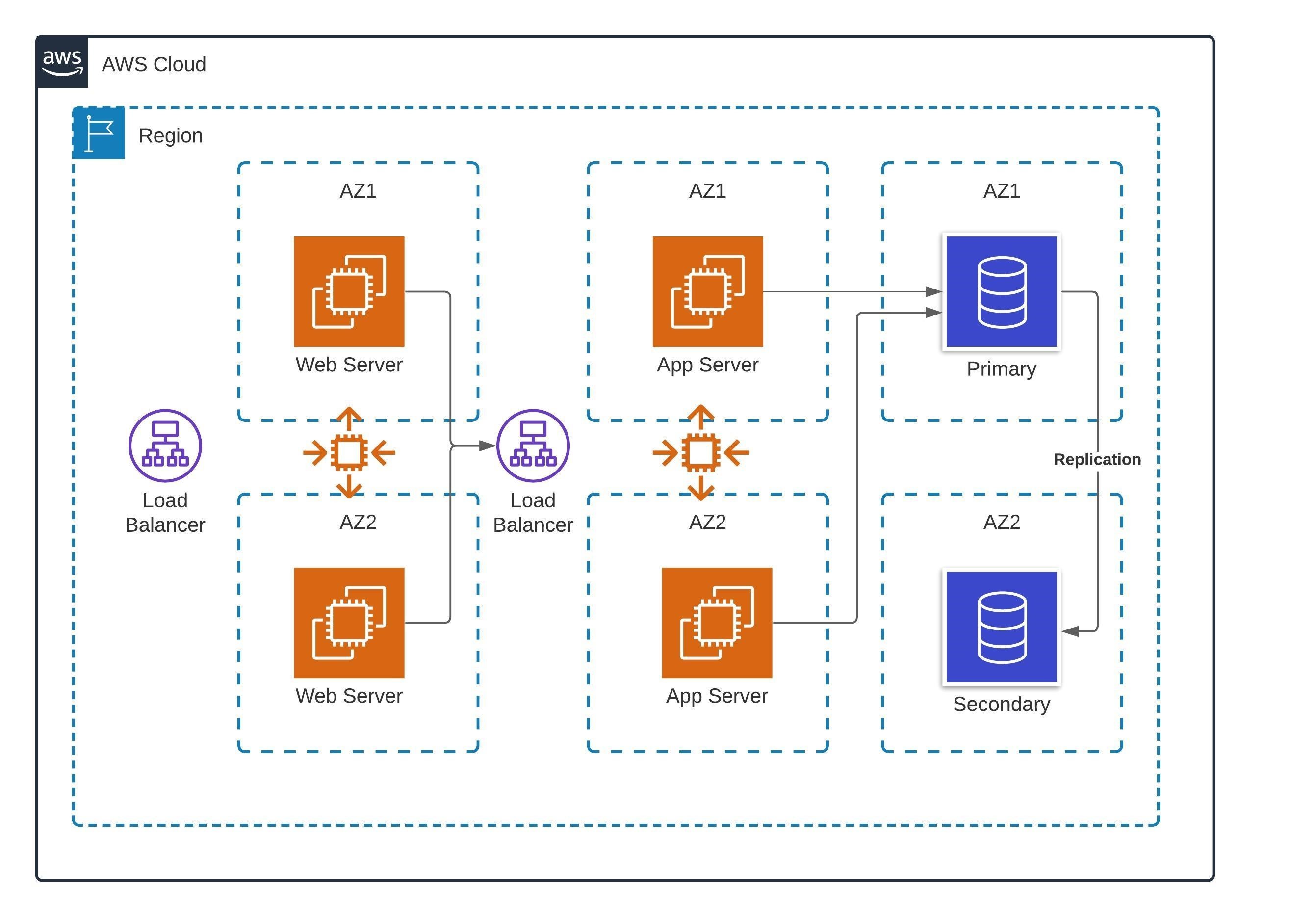
The AWS Cloud Architecture program provides a comprehensive understanding of the key components of Amazon Web Services (AWS) infrastructure. Participants will learn how to design, deploy, and manage scalable, secure, and highly available cloud architectures using AWS services.


Program Overview:

The AWS Cloud Architecture program is designed to equip participants with the knowledge and skills to architect, deploy, and manage scalable cloud infrastructures using Amazon Web Services (AWS). AWS is a leading cloud computing platform known for its vast array of services, including computing power, storage, and networking, making it essential for building modern cloud architectures. In this program, learners will explore the core services of AWS, including Amazon EC2 (Elastic Compute Cloud), S3 (Simple Storage Service), and VPC (Virtual Private Cloud), and understand how they can be used to build flexible, resilient cloud solutions. The program also covers key architectural concepts such as high availability, fault tolerance, and disaster recovery. Participants will learn how to design and implement secure, cost-effective, and efficient cloud infrastructures while adhering to best practices for scaling and performance. The program combines theoretical knowledge with hands-on labs and real-world case studies to prepare learners for AWS architectural roles.


Program Structure:

The AWS Cloud Architecture program is divided into several modules, each covering critical aspects of cloud architecture using AWS services.

1.     Introduction to Cloud Computing and AWS: This module introduces learners to the concept of cloud computing, the different AWS service models (IaaS, PaaS, SaaS), and AWS’s global infrastructure, including regions, availability zones, and data centers.

2.     Core AWS Services: Learners explore foundational AWS services such as Amazon EC2 (compute), Amazon S3 (storage), Amazon RDS (relational databases), and VPC (networking). Participants learn how to provision, configure, and manage these resources in the AWS cloud.

3.     High Availability and Fault Tolerance: Understand how to design cloud architectures that ensure high availability, disaster recovery, and auto-scaling to maintain performance during peak traffic periods.

4.     Security Best Practices: Learn about AWS Identity and Access Management (IAM), encryption, and other security best practices to protect data and ensure compliance.

5.     Cost Optimization and Monitoring: Gain insights into AWS Cost Explorer, CloudWatch, and CloudTrail for monitoring, budgeting, and optimizing cloud infrastructure costs.

6.     Advanced Architectures: Study serverless architectures (using AWS Lambda and API Gateway), containerized services (using ECS and EKS), and building event-driven architectures with AWS SQS and SNS.

The program concludes with a practical project where learners apply their knowledge to design an AWS-based architecture for a real-world scenario.


Skills that You Master:

By completing the AWS Cloud Architecture program, participants will master the following key skills:

  • Cloud Architecture Design: Learn to design scalable, highly available, and fault-tolerant architectures using core AWS services such as EC2, S3, and VPC.
  • AWS Compute and Storage: Gain hands-on experience provisioning and managing compute resources with EC2, setting up storage with S3 and EBS, and utilizing Amazon RDS for managed databases.
  • High Availability and Fault Tolerance: Master the principles of building cloud infrastructures that provide continuous service availability, including implementing multi-AZ deployments, load balancing, and auto-scaling.
  • Security Best Practices: Understand how to manage permissions and access with IAM, configure security groups, and encrypt data for enhanced protection.
  • Cost Optimization: Learn strategies for managing AWS costs, including monitoring usage and optimizing resource allocation with AWS Trusted Advisor and Cost Explorer.
  • Serverless and Containerization: Gain expertise in serverless computing with AWS Lambda, and container orchestration using Amazon ECS and EKS.

These skills will enable participants to design, deploy, and manage efficient, secure, and cost-effective cloud architectures in AWS, ensuring business scalability and performance.


Who Should Enroll:

The AWS Cloud Architecture program is ideal for IT professionals, cloud engineers, solutions architects, and developers who want to specialize in designing cloud architectures using AWS. It’s suited for individuals with a foundational understanding of cloud computing and those looking to expand their expertise in cloud infrastructure, architecture best practices, and advanced AWS services. Basic AWS knowledge is recommended.


The "Infrastructure Framework of Google Cloud" program provides an in-depth understanding of the foundational components and architecture of Google Cloud Platform (GCP). Learn how GCP’s global infrastructure, services, and networking solutions work together to deliver scalable, secure, and resilient cloud environments.


Program Overview:

The Infrastructure Framework of Google Cloud program offers a comprehensive look at the architecture that powers Google Cloud Platform (GCP). GCP is known for its highly scalable, secure, and global infrastructure, designed to meet the needs of businesses and developers looking to build, deploy, and manage applications in the cloud. This program focuses on key components such as Google’s Global Network, which provides high-speed connections, low-latency access, and redundancy across the globe. Participants will learn about data centers, regions, and zones that form the foundation of GCP’s availability and reliability. The course delves into Google Compute Engine, Google Kubernetes Engine (GKE) for container orchestration, and Virtual Private Cloud (VPC) for network isolation. Additionally, learners will explore Cloud Load Balancing, Identity and Access Management (IAM) for security, and the integration of services for creating a cohesive, optimized infrastructure. By the end, participants will understand how to design resilient and scalable cloud environments using GCP’s infrastructure.


Program Structure:

The Infrastructure Framework of Google Cloud program is divided into several modules, each focusing on critical aspects of GCP’s infrastructure.

1.     Introduction to Google Cloud Infrastructure: The program begins with an overview of GCP’s global infrastructure, including regions, zones, and data centers, and how these elements ensure high availability and fault tolerance.

2.     Compute and Storage Services: Learners explore Google Compute Engine (VMs), Google Kubernetes Engine (GKE), and App Engine, understanding how to deploy applications and manage resources effectively in the cloud. The module also covers Cloud Storage and its various types (object storage, block storage, etc.) for scalable data storage solutions.

3.     Networking: The program covers GCP’s Virtual Private Cloud (VPC) for network isolation, load balancing, and routing. Participants will also learn about Cloud DNS, Cloud CDN, and Private Google Access for seamless networking.

4.     Identity and Security: Focus on IAM (Identity and Access Management) for controlling access to GCP resources and best practices for securing cloud environments.

5.     Monitoring and Management: Understand how to monitor, manage, and optimize the infrastructure using Google Cloud Operations (formerly Stackdriver), Cloud Logging, and Cloud Monitoring.

6.     Scalability and Automation: Learn how to scale applications and infrastructure dynamically using Auto Scaling, Cloud Functions, and Cloud Pub/Sub for event-driven architectures.

The program concludes with practical case studies and projects to help learners apply the concepts to real-world GCP infrastructure setups.


Skills that You Master:

By completing the Infrastructure Framework of Google Cloud program, you will master a range of skills essential for managing and scaling cloud infrastructure:

  • Google Cloud Architecture: Gain a deep understanding of GCP’s global architecture, including regions, zones, and the global network that ensures low latency and high availability.
  • Compute and Container Management: Learn how to deploy and manage applications using Google Compute Engine (VMs), Google Kubernetes Engine (GKE), and App Engine, gaining skills in both traditional and containerized cloud environments.
  • Networking in GCP: Master Virtual Private Cloud (VPC), configuring subnets, firewalls, and load balancing for secure and efficient network management across cloud resources.
  • Cloud Security: Understand how to implement IAM (Identity and Access Management) for resource security, managing roles and permissions to control access to GCP services.
  • Monitoring and Optimization: Learn to monitor cloud infrastructure using Cloud Monitoring and Cloud Logging, optimizing performance and troubleshooting using these GCP tools.
  • Scalability and Automation: Develop expertise in using Auto Scaling, Cloud Functions, and Cloud Pub/Sub for automating cloud infrastructure management and event-driven applications.

These skills will enable you to design, manage, and optimize cloud infrastructure with a focus on scalability, security, and performance.


Who Should Enroll:

The Infrastructure Framework of Google Cloud program is ideal for IT professionals, cloud engineers, and system architects who want to specialize in cloud infrastructure design and management. It’s also suited for developers seeking to understand GCP’s architecture and services. A basic understanding of cloud computing and networking is recommended for those enrolling in this program.

The "Basics of Google Cloud Solutions" program introduces participants to Google Cloud Platform (GCP) services and tools. Learn how to leverage GCP’s compute, storage, networking, and machine learning capabilities to build scalable, cost-effective cloud solutions for various business needs.


Program Overview:

The Basics of Google Cloud Solutions program provides an introductory guide to the key services and tools offered by Google Cloud Platform (GCP). Google Cloud is known for its robust infrastructure and a wide range of cloud services that enable businesses to deploy, manage, and scale applications and workloads efficiently. This program will help participants understand the core components of GCP, such as Compute Engine, Google Kubernetes Engine (GKE), Cloud Storage, and BigQuery for data processing. Participants will also learn about Cloud Functions for serverless computing and Cloud Pub/Sub for event-driven architectures. The program covers GCP’s security best practices, including Identity and Access Management (IAM) and Cloud Key Management. By the end of the program, learners will understand how to design and deploy scalable, secure, and cost-efficient cloud solutions using Google Cloud. Real-world use cases will help bridge theory to practical, industry-specific applications.


Program Structure:

The Basics of Google Cloud Solutions program is structured to provide a comprehensive yet accessible introduction to GCP. It begins with an overview of cloud computing principles and an introduction to Google Cloud Platform (GCP), including its core services and infrastructure. The first modules focus on Compute Services such as Compute Engine (VM instances) and Google Kubernetes Engine (GKE) for containerized applications, explaining how to deploy and manage cloud-based applications.

Next, the program covers Storage Solutions, including Cloud Storage for object storage, BigQuery for data warehousing, and Cloud SQL for managed relational databases. Learners will explore Networking in GCP, including VPC (Virtual Private Cloud), load balancing, and Cloud CDN. The program then dives into Security and Identity Management with IAM, Service Accounts, and Cloud Key Management. Finally, the program will explore Machine Learning APIs, Cloud Functions, and Pub/Sub for serverless applications and event-driven architectures. Real-world projects and exercises allow learners to apply their knowledge.


Skills that You Master:

Upon completing the Basics of Google Cloud Solutions program, participants will have gained the following key skills:

  • Google Cloud Platform Overview: Understand the various services GCP offers and how to navigate the platform’s console to deploy and manage cloud resources.
  • Compute Services: Learn how to launch and configure virtual machines using Compute Engine, deploy containerized applications with Google Kubernetes Engine (GKE), and use App Engine for platform-as-a-service (PaaS) solutions.
  • Storage and Databases: Gain expertise in using Cloud Storage for scalable object storage, BigQuery for analytics and data warehousing, and Cloud SQL for managing relational databases in the cloud.
  • Cloud Networking: Master Virtual Private Cloud (VPC), cloud load balancing, and configuring networking solutions in GCP.
  • Security: Learn to configure Identity and Access Management (IAM), manage service accounts, and apply security best practices on Google Cloud.
  • Serverless and Event-Driven Architecture: Use Cloud Functions for serverless computing and Cloud Pub/Sub for building scalable, event-driven applications.

These skills will enable participants to confidently utilize GCP’s offerings to build, deploy, and manage cloud applications with a focus on performance, security, and scalability.


Who Should Enroll:

The Basics of Google Cloud Solutions program is ideal for IT professionals, software developers, data analysts, and business analysts looking to get started with cloud technologies. It’s suited for individuals wanting to learn how to leverage Google Cloud Platform for cloud applications, storage, and data processing. Basic programming knowledge and familiarity with cloud concepts are recommended.

The Integrated Program in Cloud Computing Engineering covers the principles and practical skills required to design, deploy, and manage cloud infrastructure. Participants will learn cloud architecture, services, security, and DevOps practices, preparing them for roles in cloud engineering and management.


Program Overview:

The Integrated Program in Cloud Computing Engineering is designed for individuals seeking to specialize in cloud computing technologies and infrastructure management. This program offers a comprehensive curriculum that covers everything from cloud fundamentals to advanced cloud engineering concepts. Learners will explore the three primary cloud service models—IaaS, PaaS, and SaaS—and understand how they apply to business solutions. The program dives deep into cloud platforms like Amazon Web Services (AWS), Microsoft Azure, and Google Cloud Platform (GCP), providing hands-on experience in deploying, managing, and scaling applications in the cloud. Participants will also learn about cloud security, networking, and virtualization. Additional focus is placed on DevOps practices, automation, and containerization technologies such as Docker and Kubernetes. By the end of the program, learners will have the skills to design, deploy, and maintain cloud infrastructures, supporting businesses in adopting and optimizing cloud technologies for scalability and cost-efficiency.


Program Structure (150 words):

The Integrated Program in Cloud Computing Engineering is structured in modules that build progressively from cloud fundamentals to advanced cloud deployment and management strategies. The program begins with an introduction to Cloud Computing concepts, including the different types of cloud services (IaaS, PaaS, and SaaS) and deployment models (public, private, hybrid). The first few modules focus on Cloud Architecture and Platforms, where participants learn about popular platforms like AWS, Azure, and Google Cloud, understanding their tools, services, and infrastructures. In the next modules, learners will delve into Cloud Networking, Virtualization, and Storage Solutions—key concepts for setting up and maintaining scalable cloud environments. The program then covers Cloud Security, focusing on best practices for securing cloud infrastructure and data. Following that, learners are introduced to DevOps practices and tools such as Docker, Kubernetes, and CI/CD pipelines to automate cloud workflows. The program culminates with hands-on projects and case studies, simulating real-world cloud engineering scenarios.


Skills that You Master (150 words):

Upon completing the Integrated Program in Cloud Computing Engineering, participants will gain mastery in the following areas:

  • Cloud Architecture: Understand the principles of cloud architecture, designing scalable and resilient infrastructures using AWS, Azure, and GCP services.
  • Cloud Services Models: Learn how to work with IaaS, PaaS, and SaaS models to deliver cost-effective cloud-based solutions tailored to business needs.
  • Cloud Networking and Virtualization: Master key concepts in networking, load balancing, and network configuration in the cloud. Learn about virtualization techniques that enable multi-tenant cloud environments.
  • Cloud Security: Gain a deep understanding of securing cloud environments by implementing encryption, identity and access management (IAM), firewalls, and monitoring tools.
  • DevOps and Automation: Learn how to integrate DevOps practices with cloud infrastructure, using tools like Docker, Kubernetes, and CI/CD pipelines for automated testing, deployment, and scaling.
  • Cloud Management: Understand the tools and frameworks for managing and optimizing cloud resources, including cost management, performance monitoring, and capacity planning.

These skills will enable participants to design, deploy, and optimize enterprise-level cloud solutions, with a focus on scalability, security, and automation.


Who Should Enroll (60 words):

The Integrated Program in Cloud Computing Engineering is ideal for IT professionals, software developers, network engineers, and system administrators who want to specialize in cloud technologies. It’s also suitable for individuals seeking to transition into cloud computing or expand their knowledge of cloud services, infrastructure management, security, and DevOps practices. Prior experience with programming and networking is recommended.
The Learning Data Science with Python program teaches the essential tools and techniques for data science using Python. Learn to manipulate data, build machine learning models, and extract insights through practical exercises and real-world applications.


Program Overview:

The Learning Data Science with Python program is designed to help professionals master the tools and techniques used in data science with one of the most powerful programming languages—Python. Python is widely used for data manipulation, machine learning, and statistical analysis due to its extensive libraries like Pandas, NumPy, Matplotlib, Scikit-learn, and TensorFlow. The program starts with foundational Python programming concepts and moves on to data wrangling, data visualization, and statistical modeling. It also covers essential machine learning algorithms, such as linear regression, classification, and clustering, providing hands-on experience with real datasets. By the end of the program, participants will be able to apply Python to solve data-driven problems, build predictive models, and extract actionable insights from complex datasets.


Program Framework:

The Learning Data Science with Python program is delivered through a blend of interactive video lessons, quizzes, coding exercises, and real-world case studies. The curriculum is broken down into sequential modules that cover the core components of data science using Python. It begins with an introduction to Python programming, where participants will learn the basics of writing Python code, working with variables, loops, and functions. From there, the program dives into data manipulation using libraries like Pandas and NumPy, followed by data visualization techniques with Matplotlib and Seaborn. The program then introduces machine learning, covering supervised and unsupervised learning techniques with Scikit-learn. Throughout the course, participants will work on hands-on projects and coding challenges, building models and solving problems with real datasets to apply their Python and data science knowledge.


Skills Learning Outcome:

Upon completing the Learning Data Science with Python program, participants will gain proficiency in:

  • Python Programming for Data Science: Learn Python syntax, data structures, and object-oriented programming to write efficient and reusable code for data science tasks.
  • Data Manipulation: Master data manipulation and analysis using Pandas and NumPy to clean, transform, and prepare datasets for analysis.
  • Data Visualization: Create compelling data visualizations with Matplotlib and Seaborn to uncover trends, patterns, and insights from datasets.
  • Machine Learning Algorithms: Learn how to build and evaluate machine learning models for classification, regression, and clustering using Scikit-learn.
  • Statistical Analysis: Apply basic and advanced statistical techniques to analyze data and derive insights.
  • Building Predictive Models: Develop end-to-end data science workflows, from data preparation to building and deploying predictive models.

These skills will enable participants to leverage Python for end-to-end data analysis and machine learning, driving data-driven decision-making in various industries.


Who Should Enroll:

The Learning Data Science with Python program is ideal for aspiring data scientists, analysts, or engineers who want to learn data science from scratch or enhance their existing knowledge. It’s also suitable for professionals in fields like business intelligence, marketing, or finance looking to apply data science techniques to real-world problems.

The Data Science and SQL program provides essential training in SQL for data manipulation, querying, and analysis. Learn how to use SQL alongside data science techniques to extract insights, process data, and build predictive models for data-driven decision-making.


Program Overview:

The Data Science and SQL program is designed to equip professionals with the skills necessary to extract, manipulate, and analyze data using Structured Query Language (SQL), a critical tool for data scientists and analysts. SQL is the foundation for querying relational databases, and proficiency in it is essential for performing data wrangling, exploring datasets, and deriving insights. This program covers the basics of SQL, such as SELECT, JOIN, GROUP BY, and aggregate functions, while also delving into advanced topics like window functions, subqueries, and query optimization. Participants will learn how to integrate SQL with data science techniques to clean, transform, and analyze data for predictive modeling, statistical analysis, and machine learning. The program also provides practical experience through hands-on projects and case studies.


Program Framework:

The Data Science and SQL program is an online, self-paced course that blends interactive lessons, video tutorials, quizzes, and real-world case studies to ensure a comprehensive learning experience. The course is structured into modules, starting with the foundational concepts of SQL and gradually progressing to more advanced data manipulation and query optimization techniques. You’ll learn to perform basic tasks like data filtering, aggregation, and sorting in SQL, as well as advanced operations such as nested queries, joins, and database design principles. Additionally, the program integrates SQL skills with essential data science concepts such as data pre-processing, exploratory data analysis (EDA), and predictive modelling. Throughout the course, you’ll engage in hands-on labs and projects using real datasets to apply your skills in a practical context, ensuring you can confidently use SQL for data-driven decision-making.


Skills Learning Outcome:

Upon completing the Data Science and SQL program, participants will gain proficiency in:

  • SQL for Data Manipulation: Learn how to write and optimize SQL queries to manipulate and retrieve data from relational databases, including filtering, sorting, and aggregating data.
  • Advanced SQL Techniques: Master advanced SQL features like JOINs, subqueries, window functions, and CTEs (Common Table Expressions) to work with complex datasets.
  • Data Cleaning and Transformation: Develop skills in cleaning, preprocessing, and transforming raw data into a structured format suitable for analysis and modeling.
  • Exploratory Data Analysis (EDA): Learn how to perform EDA using SQL to summarize, visualize, and gain insights from datasets.
  • Integrating SQL with Data Science: Apply SQL techniques in combination with data science methods to prepare datasets for machine learning and predictive modeling.

These skills will allow you to confidently use SQL for data analysis, decision-making, and building data-driven solutions.


Who Should Enroll:

The Data Science and SQL program is ideal for professionals seeking to enhance their data analysis capabilities, particularly those in data science, data analysis, business intelligence, or engineering roles. It's suited for beginners as well as those looking to refresh their SQL skills for use in data-driven decision-making and modeling.

The Fundamentals of Data Privacy program provides an introduction to data privacy principles, regulations, and best practices. Learn how to protect personal and sensitive information, comply with privacy laws, and mitigate data privacy risks in modern digital environments.


Program Overview:

The Fundamentals of Data Privacy program offers a comprehensive foundation in the principles, laws, and best practices surrounding data privacy. As concerns over data breaches, identity theft, and misuse of personal information continue to rise, organizations are increasingly focused on protecting data and complying with privacy regulations. This program covers key concepts such as data protection, data subject rights, and privacy-enhancing technologies. Participants will explore major data privacy regulations like GDPR (General Data Protection Regulation), CCPA (California Consumer Privacy Act), and HIPAA (Health Insurance Portability and Accountability Act), understanding how to ensure compliance with these laws. The course also addresses the ethical implications of data privacy, the role of data protection officers (DPOs), and strategies to minimize privacy risks. By the end, participants will be prepared to implement data privacy practices in various organizational contexts.


How It Works:

The Fundamentals of Data Privacy program is offered as an online, self-paced course with a combination of video lectures, reading materials, quizzes, and practical case studies. The course is divided into structured modules, each focusing on different aspects of data privacy. It begins with an introduction to the core concepts of data protection and privacy rights, followed by a deep dive into major regulations like GDPR and CCPA. Through real-world case studies and scenarios, participants will learn how to apply these laws in everyday business operations. Interactive quizzes and assignments will test your understanding and help solidify key concepts. The program also includes hands-on projects where participants will work on implementing data privacy practices, such as creating data protection policies or conducting privacy impact assessments. Upon completion, participants receive a certification in data privacy fundamentals.


Skills Learning Outcome:

Upon completing the Fundamentals of Data Privacy program, participants will gain essential skills in:

  • Understanding Data Privacy Principles: Learn the foundational concepts of data privacy, including confidentiality, integrity, and availability of personal data.
  • Privacy Regulations: Gain knowledge of key data privacy laws like GDPR, CCPA, and HIPAA, and learn how to comply with these regulations in different jurisdictions.
  • Data Subject Rights: Understand the rights of individuals regarding their data, including access rights, right to be forgotten, and data portability.
  • Data Protection Strategies: Learn to implement data encryption, pseudonymization, and anonymization techniques to safeguard sensitive information.
  • Risk Mitigation and Compliance: Develop strategies to mitigate privacy risks, conduct privacy impact assessments (PIAs), and establish effective data governance frameworks.

These skills will enable you to manage data privacy issues, reduce compliance risks, and safeguard personal data in any organization.


Who Should Enroll:

The Fundamentals of Data Privacy program is ideal for professionals working in IT, compliance, or legal roles who want to enhance their understanding of data privacy. It is particularly beneficial for data protection officers (DPOs), business analysts, and anyone responsible for managing or securing personal and sensitive information in their organization.

The Integrated Program in Artificial Intelligence and Data Science offers comprehensive training in AI and data science. Learn advanced techniques in machine learning, deep learning, data analytics, and big data to develop cutting-edge solutions for real-world business challenges.


Program Overview:

The Integrated Program in Artificial Intelligence and Data Science is designed for professionals seeking expertise in both AI and data science to drive data-driven decision-making and automation. This program combines core concepts from artificial intelligence (AI), machine learning (ML), and data science to offer a holistic approach to solving business problems. Participants will learn essential topics such as data preprocessing, predictive analytics, statistical modeling, and deep learning techniques. The program also covers key big data tools like Hadoop, Spark, and SQL. Through hands-on projects and real-world case studies, participants will build AI-powered models and data analytics systems to address challenges in industries like healthcare, finance, and retail. The curriculum is structured to ensure that participants gain the skills needed to work with large datasets, build AI solutions, and optimize decision-making processes.


Program Framework:

This is a flexible online learning program featuring live sessions, pre-recorded content, and hands-on projects. The curriculum is delivered in structured modules, each focusing on essential skills in AI, data science, and machine learning. Participants start by mastering core data science concepts, including data wrangling, statistical analysis, and data visualization, before progressing to more advanced topics like supervised learning, unsupervised learning, deep learning, and natural language processing (NLP). The program also includes modules on big data tools such as Hadoop and Spark for large-scale data processing. Participants will apply their learning to real-world business problems through case studies and individual projects. The program is designed to be interactive, offering opportunities to collaborate with peers and industry experts, with mentorship support throughout.


Skills Learning Outcome:

Upon completing the this Integrated Program, participants will gain proficiency in the following areas:

  • Data Pre-processing and Analysis: Clean, transform, and prepare data for analysis, ensuring data quality and consistency.
  • Machine Learning Algorithms: Build, train, and evaluate predictive models using supervised and unsupervised learning methods, such as regression, classification, and clustering.
  • Deep Learning: Develop advanced deep learning models using neural networks, CNNs (Convolutional Neural Networks), and RNNs (Recurrent Neural Networks) for complex tasks like image recognition and time-series forecasting.
  • Natural Language Processing (NLP): Understand and apply NLP techniques for text classification, sentiment analysis, and language modelling.
  • Big Data Technologies: Use Hadoop, Spark, and SQL to process and analyze massive datasets in distributed environments.
  • AI Implementation in Business: Implement AI solutions for real-world problems in sectors like finance, healthcare, and retail, driving efficiency and automation.

These skills will equip participants to lead AI and data science initiatives and optimize business strategies with data-driven insights.


Who Should Enroll:

This integrated program is ideal for professionals with a background in data analytics, engineering, or IT, looking to advance their skills in AI, machine learning, and big data. It’s perfect for individuals seeking to specialize in AI-driven business solutions and data-driven decision-making.

The program is designed to offer an in-depth exploration of advanced data analysis, machine learning, AI, and big data technologies. Learn to extract actionable insights, build predictive models, and solve complex problems using state-of-the-art data science techniques and tools.


Program Overview:

The Advanced Program in Data Science is designed for professionals who wish to gain expertise in advanced data analytics, machine learning (ML), artificial intelligence (AI), and big data technologies. The program covers essential topics such as data pre-processing, statistical analysis, predictive modelling, and big data frameworks like Hadoop and Spark. Participants will work with tools like Python, R, SQL, and TensorFlow to build machine learning models, apply deep learning techniques, and perform natural language processing (NLP). The curriculum is structured to provide hands-on experience through real-world case studies and projects, preparing participants to tackle complex business problems across various industries such as healthcare, finance, and marketing. The program also explores cutting-edge techniques like reinforcement learning and deep learning to provide participants with the skills needed to lead data-driven decision-making in any organization.


Program Framework:

The Advanced Program in Data Science is an online, instructor-led program that combines live sessions, self-paced learning, and practical projects. The program is divided into multiple modules, each focusing on a core area of data science, including machine learning, deep learning, NLP, and big data tools. You’ll begin by reviewing foundational data science concepts, then progress to more advanced topics, applying machine learning algorithms and deep learning models to real-world business problems. The learning experience is hands-on, with each participant working on individual projects that can be added to their professional portfolio. The program also includes interactive labs, where participants can experiment with big data tools such as Hadoop and Spark. Upon successful completion, participants receive a certification that validates their ability to apply data science techniques in various business contexts.


Skills Learning Outcome:

Upon completing the Advanced Program in Data Science, participants will have gained proficiency in:

  • Data Preprocessing and Cleaning: Master techniques to clean and transform raw data into structured, usable formats for analysis.
  • Machine Learning Algorithms: Learn to build, train, and evaluate machine learning models using supervised and unsupervised learning techniques, including regression, classification, and clustering.
  • Deep Learning: Gain hands-on experience building deep learning models such as neural networks, CNNs, and RNNs for complex tasks like image classification and time-series forecasting.
  • Natural Language Processing (NLP): Learn how to process and analyze text data for tasks like sentiment analysis, topic modeling, and text summarization.
  • Big Data Tools: Use Hadoop, Spark, and other big data technologies to analyze and process massive datasets in parallel.
  • Advanced Analytics: Apply advanced statistical and predictive modeling techniques to solve real-world business problems across various industries.

These skills will allow you to drive data-driven decision-making and innovation within any organization.


Who Should Enroll:

The Advanced Program in Data Science is ideal for data analysts, machine learning engineers, business analysts, and IT professionals with a foundational understanding of data science. It is suited for those looking to enhance their skills in advanced machine learning, big data, and AI to solve complex business challenges.

The Blockchain Implementation in Business program teaches how to integrate blockchain technology into business operations. Learn to create blockchain-based solutions that enhance transparency, security, and efficiency in various industries.


Program Overview:

The Blockchain Implementation in Business program focuses on practical strategies for integrating blockchain technology into business processes. Blockchain has the potential to transform industries by improving transparency, security, and efficiency in transactions and data management. This program covers the fundamentals of blockchain, as well as its applications in supply chain management, finance, healthcare, and more. Participants will learn how to assess business challenges and design blockchain-based solutions that address specific needs, such as secure payments, decentralized data storage, and smart contracts for automating business workflows. Case studies and real-world examples will highlight successful blockchain implementations and provide insight into potential pitfalls and best practices. By the end of the program, participants will have the skills to implement blockchain technology effectively, driving innovation and efficiency within their organizations.


Program Structure :

The program is structured into key modules to provide a comprehensive understanding of blockchain’s role in business innovation:

  1. Introduction to Blockchain: Understand the fundamental concepts of blockchain technology, including distributed ledgers, smart contracts, and how blockchain can ensure transparency and security in business operations.
  2. Identifying Business Problems for Blockchain Solutions: Learn to identify areas within an organization that can benefit from blockchain, such as supply chain transparency, payment systems, and data verification.
  3. Blockchain in Supply Chain and Finance: Explore how blockchain can be applied in industries like supply chain management, financial services, and banking to reduce fraud, increase efficiency, and enable real-time tracking.
  4. Designing and Implementing Blockchain Solutions: Learn how to design, develop, and implement blockchain-based solutions that address business challenges using platforms like Ethereum, Hyperledger, and Ripple.
  5. Case Studies and Industry Applications: Study successful implementations of blockchain in real businesses, including lessons learned and strategies for overcoming challenges.
  6. Future of Blockchain in Business: Understand emerging trends in blockchain technology, including tokenization, DeFi (Decentralized Finance), and the use of blockchain in IoT (Internet of Things).

Skills that You will Learn:

By completing the Blockchain Implementation in Business program, participants will acquire valuable skills in integrating blockchain technology into business environments:

  • Blockchain Fundamentals: Master the core principles of blockchain, including distributed ledgers, smart contracts, and cryptographic techniques used to secure transactions and data in a decentralized system.
  • Blockchain Use Cases: Learn how to apply blockchain technology in business areas such as supply chain management, financial transactions, and data security to enhance transparency, reduce fraud, and streamline operations.
  • Business Problem Analysis: Gain the ability to assess business challenges and identify how blockchain can provide innovative solutions to increase efficiency and trust.
  • Designing Blockchain Solutions: Learn to design and develop practical blockchain solutions tailored to business needs using platforms like Ethereum, Hyperledger, and Ripple.
  • Blockchain Adoption Strategy: Understand the steps involved in adopting blockchain within an organization, including stakeholder management, implementation challenges, and change management strategies.

These skills will enable you to lead blockchain initiatives and drive digital transformation within your business.


Who Should Enroll:

The Blockchain Implementation in Business program is ideal for business leaders, entrepreneurs, IT professionals, and managers who want to explore the transformative potential of blockchain technology. It is particularly suited for professionals in sectors like finance, supply chain, healthcare, and logistics who are looking to drive efficiency and innovation through blockchain.

The Blockchain and Cryptography program explores the intersection of cryptographic techniques and blockchain technology. Learn how cryptography secures blockchain transactions, enhances data privacy, and supports decentralized systems through encryption and digital signatures.


Program Overview:

The Blockchain and Cryptography program provides an in-depth understanding of how cryptography underpins the security and functionality of blockchain networks. As blockchain technology continues to disrupt industries, secure data storage and transaction validation are crucial to its success. This program covers essential cryptographic concepts such as hash functions, public-key cryptography, and digital signatures, which are integral to securing blockchain transactions and maintaining the integrity of the decentralized ledger. Participants will learn how these cryptographic techniques protect against common threats like double-spending and data tampering. The program also explores advanced topics like zero-knowledge proofs and Elliptic Curve Cryptography (ECC), which are pivotal in scaling and securing blockchain systems. By the end of the course, participants will have a robust understanding of how to leverage cryptography in blockchain to ensure data privacy, transaction security, and system trustworthiness.


Program Structure:

The Blockchain and Cryptography program is divided into structured modules focusing on the essential concepts and practices in blockchain cryptography:

  1. Introduction to Blockchain and Cryptography: Understand the basic principles of blockchain technology and cryptography. Learn about public and private keys, hash functions, and the role of cryptographic techniques in securing decentralized systems.
  2. Blockchain and Hashing: Study how hash functions like SHA-256 are used in blockchain to ensure data integrity, create blocks, and prevent tampering.
  3. Public-Key Cryptography: Explore the use of public-key infrastructure (PKI) and how it facilitates secure communication, transaction validation, and identity verification on the blockchain.
  4. Digital Signatures: Learn how digital signatures ensure the authenticity and non-repudiation of blockchain transactions, preventing fraud.
  5. Advanced Cryptographic Techniques: Dive into zero-knowledge proofs, Elliptic Curve Cryptography (ECC), and other advanced cryptographic protocols used in scaling and securing blockchain networks.

Hands-on labs and projects provide practical experience applying these cryptographic concepts in blockchain development.


Skills that You Master:

Upon completing the Blockchain and Cryptography program, participants will master key skills in cryptographic techniques used to secure blockchain systems:

  • Blockchain Fundamentals: Understand the core principles of blockchain technology, including distributed ledgers and how cryptography ensures the integrity and security of decentralized networks.
  • Cryptographic Hash Functions: Learn to use hashing algorithms like SHA-256 to secure transactions, ensure data integrity, and create tamper-proof blocks in the blockchain.
  • Public-Key Cryptography: Gain expertise in public-key cryptography to secure communication, validate transactions, and manage digital wallets in blockchain systems.
  • Digital Signatures and Authentication: Learn to implement digital signatures for transaction verification and preventing fraud, ensuring secure and authenticated blockchain operations.
  • Advanced Cryptographic Protocols: Study zero-knowledge proofs and Elliptic Curve Cryptography (ECC), which are critical for building scalable, private, and secure blockchain networks.

These skills will enable participants to develop and secure blockchain applications, ensuring privacy, trust, and data integrity in decentralized systems.


Who Should Enroll:

The Blockchain and Cryptography program is ideal for software developers, cryptography enthusiasts, and cybersecurity professionals interested in blockchain technology. It is suitable for those looking to enhance their understanding of cryptographic techniques used in blockchain to build secure, scalable, and privacy-preserving decentralized applications and systems.

Program Overview

The Blockchain Security Professional program provides in-depth knowledge of securing blockchain technology, decentralized applications (DApps), and smart contracts. With the rise of blockchain’s adoption across industries, security has become a critical aspect of successful implementation. This program focuses on understanding common blockchain security risks such as 51% attacks, double-spending, and smart contract vulnerabilities. Participants will also explore the latest cryptographic techniques used to secure transactions, including hashing, digital signatures, and public-key infrastructure (PKI). In addition to blockchain-specific security, the program covers essential best practices for secure private key management, multi-signature wallets, and network security. By the end of the program, participants will be equipped to identify and mitigate potential threats, ensuring the integrity and confidentiality of blockchain solutions.

Program Structure:

The Blockchain Security Professional program is divided into practical, hands-on modules designed to build a comprehensive understanding of blockchain security:

  1. Blockchain Security Foundations: Understand core blockchain principles, distributed ledgers, consensus mechanisms, and the risks associated with blockchain technology.
  2. Smart Contract Security: Learn to audit smart contracts and identify vulnerabilities such as reentrancy attacks, integer overflows, and gas limit exploits.
  3. Cryptography and Blockchain Security: Master cryptographic methods, including hashing, digital signatures, and encryption, that safeguard blockchain transactions and data integrity.
  4. Blockchain Threats and Mitigation: Study common blockchain threats like 51% attacks, Sybil attacks, and double-spending, and learn strategies for preventing these attacks.
  5. Blockchain Security Best Practices: Learn security best practices for wallet management, private key security, and implementing multi-signature solutions to enhance blockchain resilience.
Skills that You will Learn:

Upon completion of the Blockchain Security Professional program, participants will gain expertise in:

  • Blockchain Security Architecture: Learn how to secure blockchain networks and their components using encryption and secure protocols.
  • Smart Contract Auditing: Gain skills in auditing and securing smart contracts, ensuring they are free from vulnerabilities like reentrancy attacks and integer overflow.
  • Cryptography and Key Management: Master cryptographic techniques for protecting data on blockchain networks, including the use of public-private key pairs, digital signatures, and hash functions.
  • Blockchain Threat Mitigation: Learn how to identify and mitigate risks such as 51% attacks, Sybil attacks, and double-spending through proactive security measures.
  • Multi-Signature Wallets and Private Key Management: Understand how to implement multi-signature wallets, secure key management practices, and prevent unauthorized access to digital assets.
Who Should Enroll:

The Blockchain Security Professional program is ideal for cybersecurity professionals, blockchain developers, and IT security experts who want to specialize in blockchain security. It is suitable for those responsible for securing blockchain networks, smart contracts, and decentralized applications (DApps) and ensuring the integrity of blockchain-based systems.

The Blockchain Developer program provides essential knowledge and hands-on experience in building decentralized applications (DApps) and blockchain solutions. Learn how to work with blockchain platforms like Ethereum, develop smart contracts, and understand consensus algorithms and cryptographic techniques.


Program Overview

The Blockchain Developer program is designed to equip developers with the skills and expertise to build, implement, and maintain decentralized applications (DApps) using blockchain technology. Blockchain has become a transformative force across industries, revolutionizing how data is stored, validated, and shared. In this program, participants will learn the fundamentals of blockchain, focusing on key concepts such as distributed ledgers, cryptographic hashing, and consensus algorithms. The course provides hands-on experience with platforms like Ethereum, Hyperledger, and Solidity for building smart contracts and DApps. Students will explore the architecture of public and private blockchains and learn how to integrate blockchain with existing systems. The program also covers important topics like blockchain security, tokenomics, and blockchain use cases in industries such as finance, healthcare, and supply chain. By the end of the program, participants will have the practical knowledge to develop and deploy blockchain-based solutions that solve real-world problems.


Program Structure

The Blockchain Developer program is divided into key modules, each focusing on fundamental concepts, tools, and technologies used to build blockchain solutions.

  1. Introduction to Blockchain Technology: This module covers the basics of blockchain technology, explaining concepts such as distributed ledgers, consensus mechanisms, and cryptographic hash functions. Participants will understand how blockchain works and its potential to disrupt industries.
  2. Ethereum and Smart Contracts: Learn how to work with Ethereum, one of the most popular blockchain platforms. This module covers Solidity programming for creating smart contracts, deploying decentralized applications (DApps), and interacting with Ethereum’s virtual machine (EVM).
  3. Building Decentralized Applications (DApps): Gain practical experience in designing, developing, and deploying DApps using blockchain technology. Participants will learn how to integrate smart contracts into user-friendly applications.
  4. Blockchain Security: Explore the security aspects of blockchain, including encryption, public-key cryptography, and methods to secure smart contracts and blockchain transactions.
  5. Blockchain Use Cases: Understand real-world applications of blockchain in industries such as finance (DeFi), supply chain, healthcare, and voting systems.
  6. Advanced Blockchain Concepts: Dive deeper into consensus algorithms (Proof of Work, Proof of Stake), scaling solutions, and interoperability between different blockchain networks.

The program includes hands-on projects, coding exercises, and real-world case studies to solidify learning and enable participants to build and deploy their blockchain-based applications.


Skills that You Master:

Upon completing the Blockchain Developer program, participants will gain essential skills in building and deploying blockchain solutions:

  • Blockchain Fundamentals: Understand the core principles of blockchain technology, including distributed ledgers, blockchain architecture, and cryptographic hashing.
  • Smart Contract Development: Master Solidity programming for developing and deploying smart contracts on platforms like Ethereum, enabling automation and trustless transactions.
  • Decentralized Application (DApp) Development: Learn to design and build decentralized applications (DApps) that interact with smart contracts and the blockchain ecosystem.
  • Blockchain Security: Gain expertise in securing smart contracts, blockchain transactions, and protecting data through public-key cryptography and other encryption techniques.
  • Consensus Mechanisms: Understand and implement various consensus algorithms such as Proof of Work (PoW), Proof of Stake (PoS), and other mechanisms used in blockchain to validate transactions and maintain network integrity.
  • Blockchain Use Cases: Learn how blockchain can be applied in various industries, including finance (DeFi), healthcare, supply chain, and voting systems, and understand the business implications.

These skills will enable participants to confidently build blockchain-based solutions that are secure, scalable, and industry-ready, allowing them to become proficient blockchain developers.


Who Should Enroll :

The Blockchain Developer program is ideal for software developers, engineers, and technologists interested in exploring the world of blockchain technology. It is suitable for those looking to build decentralized applications, develop smart contracts, or pursue careers in blockchain development across industries like finance, supply chain, and healthcare. Basic programming knowledge (e.g., JavaScript or Python) is recommended.
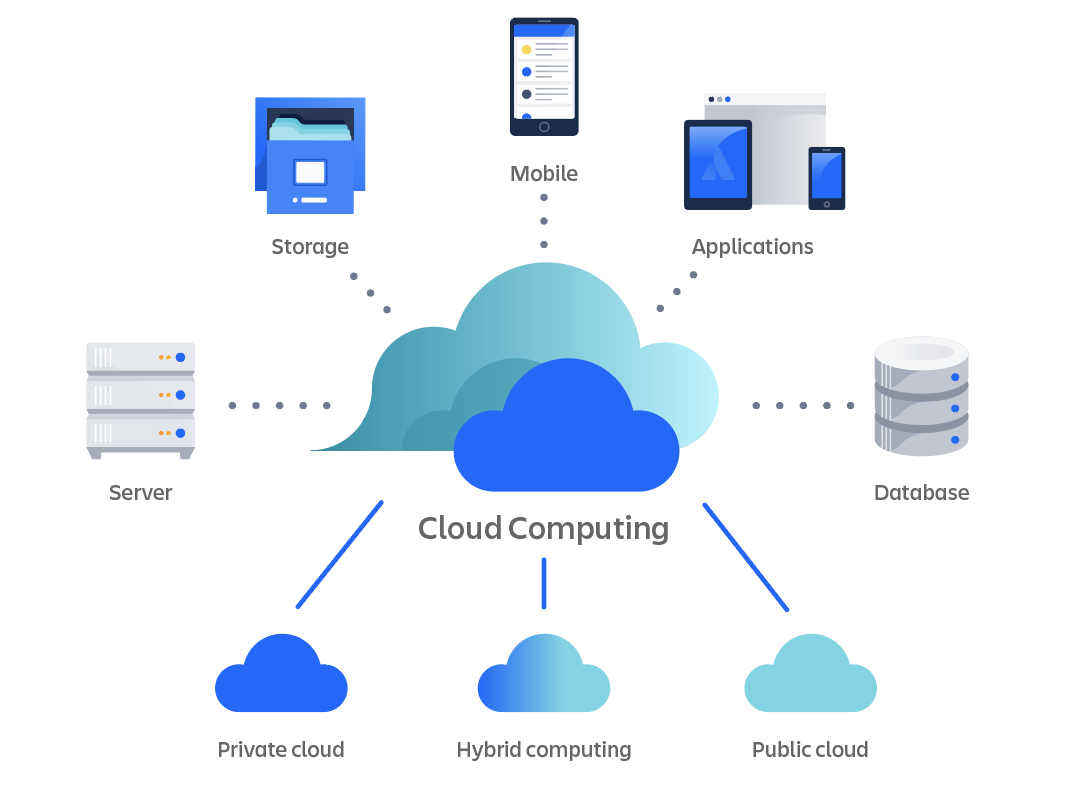
The Cloud Solutions Engineering program teaches professionals how to design, deploy, and manage complex, scalable solutions on Google Cloud Platform (GCP). Learn to integrate GCP services, optimize cloud resources, and develop robust architectures for modern enterprise applications.


Program Overview:

The Google Cloud Solutions Engineering program is designed for professionals who want to develop expertise in architecting and implementing cloud-based solutions on Google Cloud Platform (GCP). This program covers key concepts such as cloud infrastructure design, cloud-native application development, and multi-cloud architectures. Participants will learn how to integrate GCP services like Google Kubernetes Engine (GKE), Cloud Functions, BigQuery, and Cloud Storage into efficient, scalable solutions. The program also focuses on cost optimization, security best practices, and DevOps principles to ensure that solutions are both performant and secure. With practical labs and real-world case studies, the program provides hands-on experience in solving complex business challenges by leveraging GCP’s powerful tools and services. By the end of the course, participants will be able to engineer, deploy, and maintain robust cloud solutions for enterprises.


Program Framework:

The Cloud Solutions Engineering program is delivered through a combination of online video lessons, hands-on labs, and interactive projects. The course starts with foundational knowledge on Google Cloud Platform (GCP) services, covering essential topics like cloud infrastructure design and the use of Google Cloud’s compute, storage, and database services. Participants will explore advanced topics such as container orchestration with Google Kubernetes Engine (GKE), serverless computing, and data analytics with BigQuery. Throughout the program, learners will engage in real-world case studies to understand how to architect highly available, scalable, and cost-effective solutions for various business use cases. Labs and assignments will allow participants to apply their skills in practical scenarios, while personalized feedback and expert guidance will support the learning process. By the end, participants will be ready to design and deploy enterprise-level applications on GCP.


Skills Learning Outcome:

Upon completing the program, participants will gain proficiency in:

·      Cloud Architecture: Design cloud solutions using Google Cloud services like Compute Engine, Cloud Storage, and BigQuery to meet business requirements and technical challenges.

·      Multi-Cloud Integration: Learn how to build and deploy hybrid and multi-cloud architectures, ensuring seamless operation across different platforms.

·      Serverless and Containerized Applications: Develop and deploy serverless applications using Google Cloud Functions and manage containers with Google Kubernetes Engine (GKE) for scalable application development.

·      Security and Compliance: Implement security measures including IAM, encryption, and network security to protect cloud resources and ensure compliance with industry regulations.

·      Cost Optimization: Apply strategies for optimizing cloud resource usage and minimizing costs through Google Cloud billing tools and auto-scaling techniques.

These skills will enable participants to design, deploy, and manage cloud solutions that are secure, scalable, and cost-effective.


Who Should Enroll: 

The Google Cloud Solutions Engineering program is ideal for cloud architects, software engineers, DevOps professionals, and IT consultants who want to develop the skills to design and manage scalable, cloud-native solutions using Google Cloud Platform (GCP). It’s also suitable for system administrators looking to expand their cloud expertise.


Prerequisites : 

Participants should have a basic understanding of cloud computing concepts, Linux/Windows server administration, and familiarity with networking fundamentals (e.g., IP addressing, subnetting). Experience with programming (preferably in Python or Java) and basic knowledge of Google Cloud Platform (GCP) services is recommended but not required.
The Google Cloud Network Management program teaches professionals how to design, implement, and manage secure, scalable, and high-performance networks on Google Cloud Platform (GCP). Learn to optimize cloud networking, monitor traffic, and ensure secure connectivity within cloud environments.


Program Overview:

The Google Cloud Network Management program is designed to equip professionals with the skills needed to manage, secure, and optimize networking solutions on Google Cloud Platform (GCP). Google Cloud offers a wide range of network services, including Virtual Private Cloud (VPC), Cloud Load Balancing, and Cloud CDN (Content Delivery Network). The program covers the fundamentals of cloud networking, network topologies, and how to leverage GCP’s networking tools to create highly scalable, resilient, and secure networks. Topics include VPC configuration, subnetting, inter-region connectivity, firewall rules, and network monitoring. Participants will learn how to design hybrid cloud networks, manage DNS services, and implement network security practices. By the end of the program, participants will be able to deploy, monitor, and troubleshoot complex cloud networks, optimizing for performance and security.


How It Works:

The Google Cloud Network Management program is delivered through an interactive blend of video lessons, hands-on labs, and real-world case studies. The course starts with an introduction to networking concepts and Google Cloud’s infrastructure, including VPC and subnetting. Participants will then progress through key topics like Cloud Load Balancing, Cloud CDN, and interconnecting cloud resources across multiple regions. The program also covers advanced networking services like DNS management, traffic management, and Cloud Interconnect for hybrid cloud scenarios. Throughout the course, learners will engage in practical labs where they’ll configure and troubleshoot networking components, optimize network traffic, and apply network security measures such as firewalls and access control. Real-world case studies will illustrate the use of Google Cloud networking tools in businesses of varying sizes.


Skills Learning Outcome:

Upon completing the this program, participants will gain proficiency in:

·      Google Cloud Networking Services: Learn to configure and manage Google Cloud VPC, subnets, firewalls, load balancing, and Cloud CDN for optimized network performance.

·      Hybrid Cloud Networking: Understand how to design and implement hybrid cloud architectures, enabling seamless connectivity between on-premise and cloud environments using Cloud Interconnect and VPNs.

·      Network Traffic Management: Learn how to control and route traffic efficiently using Cloud Load Balancing and Cloud DNS, ensuring high availability and low-latency access to applications.

·      Security in Cloud Networks: Implement best practices for securing cloud networks, including firewall configurations, identity management, and network access control.

·      Monitoring and Troubleshooting: Use Cloud Monitoring and Cloud Logging to monitor, analyze, and troubleshoot network performance and security issues.

These skills will enable participants to design, manage, and secure scalable network infrastructures on Google Cloud.

Who Should Enroll: 

The Google Cloud Network Management program is ideal for network engineers, cloud architects, DevOps engineers, and IT professionals looking to enhance their networking expertise within the Google Cloud environment. It is also suitable for professionals who want to learn cloud networking best practices and optimize infrastructure performance and security.
Program Overview

The Google Cloud Security Fundamentals course is specifically designed for those new to cloud security within Google Cloud Platform (GCP), helping you build essential, in-demand skills. As businesses increasingly prioritize security on Google Cloud to protect valuable assets and ensure the confidentiality of sensitive data, there is a growing demand for professionals with expertise in Google Cloud security.

Throughout the course, you will explore key security concepts and practices necessary for protecting cloud infrastructure. You will start with Cloud IAM: Qwik Start, learning how to securely control access to GCP resources. You'll also dive into creating IAM custom roles to tailor permissions for specific organizational needs.

The course will also cover service accounts and roles, giving you the ability to manage delegation and apply fine-grained control over cloud resources. You'll master user authentication with Identity-Aware Proxy to ensure secure application and service access, and learn how to manage cryptographic keys using Cloud KMS to maintain data integrity and confidentiality. By the end of this course, you'll have a strong foundation in Google Cloud Security principles, along with valuable, marketable skills that will enhance your career profile.

Program Framework

As a self-paced course, there is no fixed schedule for completing modules or submitting assignments. While the course is expected to take around seven hours to complete, you can progress at your own pace as long as you finish before the end of your enrollment period. Throughout the course, you'll have access to the discussion space, where you can interact with your learning community and mentors for support.

This course consists of five carefully designed modules, taking you through a structured learning path. While you can take the course individually, it's part of the Google Cloud Security Engineer Program, so you may want to consider enrolling in the full program for a more comprehensive learning experience.

All course materials are available from day one and will remain accessible for the duration of your enrollment. Learning methods include reading materials, hands-on labs, and online exam questions to assess your understanding. Upon successful completion, you will receive a Certificate of Completion, marking your achievement and confirming your newfound skills in Google Cloud security.

Skills Learning Outcome:

Upon completing the Google Cloud Security Fundamentals program, you will gain a comprehensive understanding of essential security principles within Google Cloud Platform (GCP). You will be equipped to manage Cloud IAM to control access to resources securely and create custom IAM roles tailored to organizational needs. You will also learn how to manage service accounts for secure delegation, and implement Identity-Aware Proxy to ensure secure access to applications and services. Additionally, you will gain hands-on experience with Cloud KMS to manage cryptographic keys, ensuring data integrity, confidentiality, and compliance in cloud environments, significantly enhancing your cloud security expertise.

Who Should Enroll

The Google Cloud Security Fundamentals program is ideal for:

  • Cloud Security Beginners: Professionals new to cloud security who want to build foundational knowledge in Google Cloud security practices.
  • IT and Security Professionals: Those looking to enhance their skills in managing and securing cloud infrastructure on Google Cloud Platform (GCP).
  • System Administrators: IT admins responsible for managing cloud environments and looking to improve access control and security management.
  • Developers: Developers interested in securing their applications and integrating security practices within Google Cloud environments.
  • Compliance Officers: Individuals tasked with ensuring data integrity, confidentiality, and compliance within cloud infrastructure.
  • Those Pursuing Cloud Security Careers: Professionals aiming to specialize in cloud security and seeking to advance their career with Google Cloud certifications.
The Computational Intelligence and Cloud Security program for covers advanced techniques in AI and machine learning (ML) on Google Cloud, as well as strategies for securing cloud infrastructure. Learn to build intelligent systems and protect sensitive data in cloud environments.

Program Overview:


Upon completing this course, you will acquire the expertise to design, implement, and manage cloud infrastructure efficiently. You will be skilled in using continuous delivery practices to deploy software, optimizing workloads, auto-scaling resources, and managing infrastructure with Terraform. Additionally, you will gain a strong understanding of cloud security and reporting to ensure system safety and compliance.

If you're aiming to advance your career in cloud computing with Google Cloud Platform (GCP) and pursue GCP security certification, this Google Cloud Computational Intelligence and Cloud Security course will provide essential reference materials for the GCP exam. The course also prepares you for high-level roles such as Google Cloud Solutions Architect and Google Cloud Enterprise Architect, opening doors to new career opportunities in cloud infrastructure and security management.


Program Framework:

This program consists of ten thoughtfully designed modules, taking you through a structured learning journey. While you can take the course individually, it is also part of the Advanced Cloud Computing program. For a more comprehensive experience, you may want to consider enrolling in the full program rather than taking one course at a time.

As a self-paced program, you can progress through the modules and assignments on your schedule, as long as the course is completed by the end of your enrollment. Throughout the course, you’ll stay connected with your learning community and mentors via the course's dedicated discussion space.

All course materials are accessible from day one and will remain available for the entire duration of your enrollment. Your learning experience will include reading materials, hands-on labs, and online exams to assess your progress. Our mentoring service ensures you have valuable guidance and support throughout your learning journey. Additionally, the discussion space provides a platform to interact with peers, ask questions, and resolve issues.

Upon successful completion, you will receive a Certificate of Completion, validating your new skills and achievements.


Skills Learning Outcome:

Upon completing the this program, participants will gain proficiency in:

·       AI and Machine Learning: Build and deploy intelligent systems using Google AI tools, including TensorFlow, AI Platform, and BigQuery ML, for tasks like data prediction, natural language processing, and computer vision.

·       Cloud Security Best Practices: Understand how to secure Google Cloud infrastructure with identity management, data encryption, and secure network design using tools like Cloud Identity, Cloud IAM, and VPC.

·       Data Protection: Learn strategies for securing data at rest and in transit using Google Cloud’s security features and services.

·       Scalable AI Systems: Design, deploy, and scale machine learning models in a secure cloud environment.

·       Compliance and Risk Management: Implement Google Cloud Security Command Center for risk management and ensure GDPR and HIPAA compliance.

These skills will help participants leverage AI capabilities while securing cloud resources in line with best practices and regulations.


Who Should Enroll:

The Google Cloud Computational Intelligence and Cloud Security program is ideal for data scientists, cloud engineers, machine learning professionals, and security analysts. It’s also suited for DevOps engineers and cloud architects who want to deepen their understanding of AI implementation and cloud security on Google Cloud.

Program Overview:

As more organizations migrate to the cloud, the demand for professionals skilled in Google Cloud infrastructure management is rapidly increasing. Roles like cloud administrator, site reliability engineer, and infrastructure engineer are in high demand. This intermediate-level Google Cloud Infrastructure management program is perfect for professionals looking to advance their careers.

The course covers key skills such as cloud monitoring, log-based metrics, data analysis using BigQuery, SQL, and Data Studio, as well as project planning, Kubernetes deployment, cost optimization, and cloud policy management.

Upon completion, you'll be equipped to manage cloud resources, analyze data, optimize costs, and implement security policies—skills essential for Google Cloud infrastructure certification. This course will not only enhance your cloud computing career but also open doors to advanced roles like Google Cloud architect.


Program Framework: 

This course consists of seven thoughtfully designed modules, guiding you through a structured learning path. While you can take the course individually, it’s part of the Advanced Cloud Computing Program. Consider enrolling in the full program for a more comprehensive learning experience.

As a self-paced course, you have the flexibility to complete the modules and assignments at your convenience, as long as you finish before the enrolment period ends. You’ll also have access to a vibrant learning community and mentors through the course discussion space.

Materials for each module are available from day one and remain accessible throughout your enrolment. Learning methods include reading, hands-on labs, and online exams to assess progress.

You’ll benefit from ongoing mentoring and a dedicated discussion space to interact with peers and resolve any issues. Upon completing the course, you'll receive a Certificate of Completion to mark your achievement.

Skills Learning Outcome 

This program helps a learner build competencies for further career opportunities. Upon completion you will:

  • Gain expertise in continuous delivery practices, enabling efficient software deployment in cloud environments.
  • Be proficient in load testing with Kubernetes and optimizing workloads for scalable and effective application management.
  • Master infrastructure provisioning and management using Terraform to automate the deployment of cloud resources.
  • Acquire the skills to implement cloud security measures and reporting to ensure system safety and compliance.
  • Obtain hands-on experience with a range of Google Cloud tools and services for managing and optimizing cloud resources effectively. 

Who should enroll  

The Google Cloud Infrastructure management program is ideal for system administrators, cloud professionals, solution architects, developers, IT managers, and anyone preparing for GCP certifications or seeking to deepen their expertise in cloud infrastructure.


The Microsoft Dynamics 365 Supply Chain Management program helps professionals optimize and streamline supply chain processes. Learn how to manage inventory, production, procurement, logistics, and distribution using Dynamics 365 to create efficient, data-driven, and integrated supply chain operations.


Program Overview:

The Microsoft Dynamics 365 Supply Chain Management program equips professionals with the skills to effectively manage and optimize their organization’s supply chain operations using Microsoft Dynamics 365. This comprehensive solution integrates key supply chain functions such as inventory management, production planning, procurement, and logistics into a unified system. The program covers how to automate workflows, track goods in real time, and improve supplier and vendor relationships using advanced analytics and AI-powered insights. Participants will learn how to manage warehousing, order fulfillment, and logistics while ensuring efficiency and reducing costs. The course also addresses key challenges like demand forecasting, supply chain visibility, and collaboration between various departments. By the end, participants will be prepared to implement Dynamics 365 to improve supply chain operations and drive business success.


Program Framework:

The Microsoft Dynamics 365 Supply Chain Management program is delivered through a combination of video lectures, hands-on labs, and real-world case studies. The course begins with an introduction to Dynamics 365, covering the core components of supply chain management such as inventory management, procurement, and manufacturing. Participants will learn how to configure and manage inventory levels, set up procurement workflows, and streamline order management processes. The program also delves into more advanced topics such as production planning, forecasting, and demand sensing using AI and machine learning. In the practical labs, participants will configure and automate various supply chain processes, from receiving and storing materials to dispatching finished goods. Real-life scenarios and hands-on exercises ensure learners gain the skills to solve complex supply chain challenges using Dynamics 365.


Skills Learning Outcome:

Upon completing the Microsoft Dynamics 365 Supply Chain Management program, participants will gain proficiency in:

·      Inventory Management: Learn how to monitor and optimize inventory levels, automate stock replenishment, and reduce excess inventory using Dynamics 365.

·      Procurement and Vendor Management: Streamline procurement processes by automating vendor selection, purchase orders, and tracking supplier performance.

·      Production and Manufacturing: Implement production planning and scheduling to enhance efficiency, monitor production workflows, and manage raw materials and resources.

·      Logistics and Distribution: Optimize order fulfillment, shipping logistics, and warehouse management to ensure timely delivery and customer satisfaction.

·      AI & Analytics: Use AI-powered insights and advanced analytics to improve demand forecasting, supply chain visibility, and decision-making.

·      End-to-End Supply Chain Optimization: Integrate supply chain processes for a seamless, data-driven approach to manage the entire supply chain lifecycle, from raw materials to final delivery.

These skills will enable participants to drive efficiencies, reduce costs, and improve performance in end-to-end supply chain operations.


Who Should Enroll:

The Microsoft Dynamics 365 Supply Chain Management program is ideal for supply chain managers, logistics professionals, procurement specialists, operations managers, and business analysts seeking to enhance their skills in supply chain optimization. It’s also suited for IT professionals and consultants looking to implement Dynamics 365 solutions for clients.


Program Requirements:

Participants should have a basic understanding of supply chain operations, inventory management, and business process automation. Familiarity with Microsoft Dynamics 365 or ERP systems is helpful but not required. Basic knowledge of data analytics and logistics concepts will enhance the learning experience but is not mandatory.

The Microsoft Customer Data Platform (CDP) program helps professionals understand how to leverage Microsoft’s CDP to unify customer data, personalize experiences, and drive data-driven marketing. Learn to integrate data sources, create customer insights, and improve engagement strategies.


Program Overview:

The Microsoft Customer Data Platform (CDP) program is designed to teach professionals how to effectively manage and utilize customer data for personalized marketing and customer experience. A Customer Data Platform enables organizations to consolidate fragmented customer data from multiple sources into a single, comprehensive view, helping drive actionable insights. This program covers how to configure and integrate Microsoft Dynamics 365, Azure Synapse, and Power BI with the CDP to unify customer data. Participants will learn to segment audiences, create personalized campaigns, and track customer journeys. The course also explores data privacy and compliance features to ensure secure handling of customer data. By the end, participants will be able to leverage customer data to optimize marketing strategies, enhance customer engagement, and drive business growth.


Program Framework:

The Microsoft Customer Data Platform program is delivered through a blend of interactive video lectures, hands-on labs, and real-world use cases. The course begins with an overview of the Microsoft Customer Data Platform (CDP) and its key components, including data integration, data unification, and customer insights. Participants will learn how to connect multiple data sources—such as CRM systems, marketing tools, and social media platforms—using Microsoft Power Platform and Azure services to create a centralized customer data repository. The program also covers how to segment and personalize customer experiences using AI-powered analytics and customer journey orchestration. Additionally, participants will explore the importance of data governance, security, and GDPR compliance in managing customer data. The hands-on labs allow learners to work on live projects, applying their skills in creating data-driven marketing strategies.


Skills Learning Outcome:

Upon completing the Microsoft Customer Data Platform (CDP) program, participants will gain proficiency in:

·      Data Integration: Learn how to integrate customer data from multiple sources like CRM, social media, and email platforms using Microsoft Azure and Power Platform tools.

·      Data Unification: Consolidate and clean customer data into a single, unified customer view to ensure consistency across marketing and customer service channels.

·      Customer Segmentation: Use advanced analytics and AI-driven insights to segment audiences and create personalized marketing strategies that drive engagement and conversions.

·      Personalized Experiences: Develop customer journeys that deliver personalized experiences at scale using Dynamics 365 Marketing and Power Automate.

·      Privacy & Compliance: Understand data governance and regulatory requirements (e.g., GDPR) for secure and compliant handling of customer data.

·      Marketing Optimization: Leverage Power BI and AI models to measure and optimize campaign performance, ensuring maximum ROI.

These skills will help participants harness the power of customer data to drive customer-centric business strategies.


Who Should Enroll:

The Microsoft Customer Data Platform program is ideal for marketing professionals, data analysts, CRM administrators, customer experience managers, and business analysts looking to enhance their skills in customer data management. It is also suitable for IT professionals aiming to integrate and optimize customer data solutions using Microsoft tools.


Program Requirements:

Participants should have a basic understanding of customer relationship management (CRM), data analytics, and marketing technologies. Familiarity with Microsoft Dynamics 365 and Azure will be helpful, though not required. Basic knowledge of data privacy laws (e.g., GDPR) and data integration concepts will enhance the learning experience.

The Microsoft Dynamics 365 Customer Service program helps professionals master Dynamics 365 tools for delivering exceptional customer service. Learn how to automate customer support, optimize service operations, and enhance customer experience with CRM capabilities tailored for modern businesses.


Program Overview:

The customer service program is designed to equip professionals with the skills needed to optimize customer service operations using Microsoft Dynamics 365. Dynamics 365 Customer Service is a powerful suite of tools that integrates Customer Relationship Management (CRM) with artificial intelligence and automation features to improve customer support efficiency. The program covers how to manage customer interactions across multiple channels, track service requests, and deliver personalized support. Participants will learn to configure the platform, automate workflows, utilize chatbots, and analyze customer feedback to enhance service quality. The course also delves into self-service portals, case management, and knowledge bases, empowering organizations to provide seamless, responsive, and effective customer service. By the end of the program, participants will be able to transform their customer service operations with Dynamics 365.


Program Framework:

The Microsoft Dynamics 365 Customer Service program is delivered through a mix of video tutorials, interactive labs, and real-world case studies. The program begins with an introduction to Dynamics 365 and its core features for customer service, such as case management, service-level agreements (SLAs), and knowledge management. Participants will learn how to set up and customize customer service queues, automate service requests, and integrate Power Automate for workflow automation. The course also covers advanced tools like AI-driven chatbots, virtual agents, and customer insights, allowing participants to enhance self-service and engagement. Through hands-on labs, learners will apply their skills by configuring real-world scenarios, such as managing customer cases and analyzing service performance. The program is designed for professionals to use Dynamics 365 to streamline and scale customer service operations.


Skills Learning Outcome:

Upon completing the Microsoft Dynamics 365 Customer Service program, participants will develop proficiency in:

  • Customer Service Automation: Learn to automate routine customer service tasks using Dynamics 365 workflows and Power Automate, ensuring fast and consistent customer support.
  • Case Management: Master case management tools in Dynamics 365 to track, prioritize, and resolve customer issues efficiently.
  • Multi-Channel Engagement: Implement omni-channel customer service, integrating email, chat, phone, and social media for seamless support.
  • Knowledge Management: Set up and manage knowledge bases and self-service portals to empower customers with easy access to support resources.
  • AI & Analytics: Use AI-powered virtual agents and customer insights to personalize and predict customer service needs, improving both response times and customer satisfaction.
  • Reporting & Performance Monitoring: Analyze customer service performance using Power BI and build dashboards to monitor key metrics like SLA compliance and customer satisfaction.

These skills will allow participants to drive operational efficiencies and deliver exceptional customer experiences using Dynamics 365.


Who Should Enroll (50 words):

The Microsoft Dynamics 365 Customer Service program is ideal for customer service managers, CRM professionals, IT consultants, and business analysts who want to improve customer service operations using Microsoft Dynamics 365. It’s also suitable for sales teams or customer support agents looking to enhance their expertise in modern CRM tools.


Program Requirements:

Participants should have a basic understanding of customer service processes, CRM concepts, and familiarity with Microsoft Office tools. While prior experience with Microsoft Dynamics 365 is not required, a fundamental understanding of business operations and cloud platforms will be helpful in maximizing the course content.

Program Overview:

Microsoft Dynamics 365 Sales is a short term program designed for sales professionals looking to become Microsoft Dynamics 365 functional consultants. This training enables you to implement solutions supporting the entire sales lifecycle, automate best practices, and leverage data to meet targets and optimize business growth.

Throughout the course, you will learn how to install and configure a sales application, manage customer records, create leads, and handle quotes and sales orders. You’ll also gain insights into managing product catalogs, defining sales metrics, and tracking individual and team goals.

The course extends to configuring charts and dashboards for better sales data analysis, using Power BI for deeper insights, and exploring Sales Insights for productivity intelligence and predictive models. You will also learn how to create and distribute Customer Voice surveys across multiple modalities.

Program Framework:

This course consists of carefully designed modules that guide you through a structured learning journey.

It is an instructor-led course, following a fixed schedule with set start and end dates. Live sessions are conducted at specific times, but you will also have time to complete certain activities at your own pace outside of the sessions.

All course materials are available from the start and will remain accessible throughout your enrollment. Learning methods include reading materials, hands-on labs, and online exam questions to test your knowledge.

With our mentoring service, you will receive valuable support and guidance throughout the course. Additionally, a dedicated discussion space will allow you to ask questions, engage with peers, and resolve any issues. Upon successfully completing the course, you will receive a Certificate of Completion to validate your newly acquired skills.


Who Should Join this Program:


This course is ideal for inside sales professionals, sales representatives, and sales managers looking to enhance their skills in using the sales features of Microsoft Dynamics 365. It is also perfect for professionals who wish to gain a deeper understanding of sales automation, customer management, and performance tracking within Dynamics 365.


Designed to help you prepare for Microsoft certification

The learner will gain hands-on experience with the end-to-end application for managing customer relationships and prospects. The course will teach you how to track data against sales goals, automate best practices, and leverage data insights to improve sales performance. Additionally, you'll learn strategies to boost sales staff productivity and drive better results.

Along with the core training, the course provides detailed guidance on the Microsoft certification process, along with knowledge checks, practice questions, and exam tips to help you successfully pass the Microsoft certification exam.